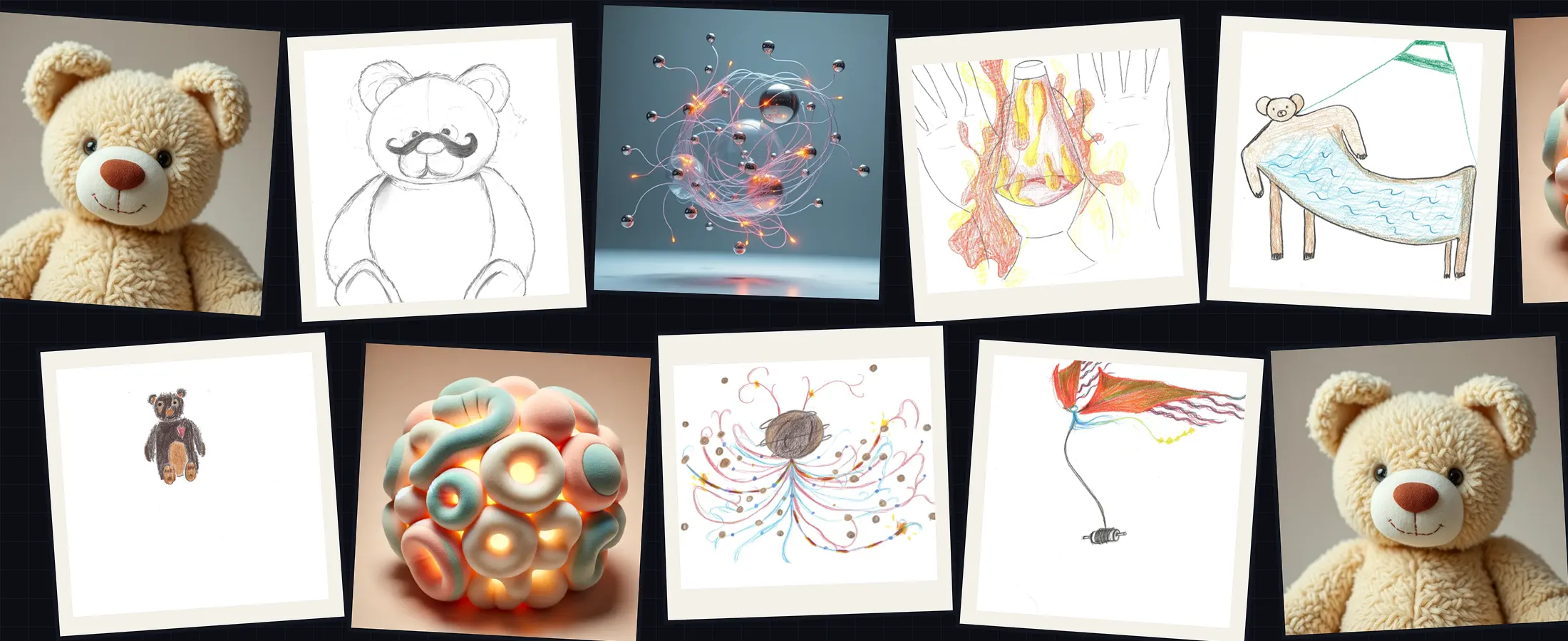

The question
When an AI shows us images before we create, do we invent more, or do we copy without noticing?
The experiment
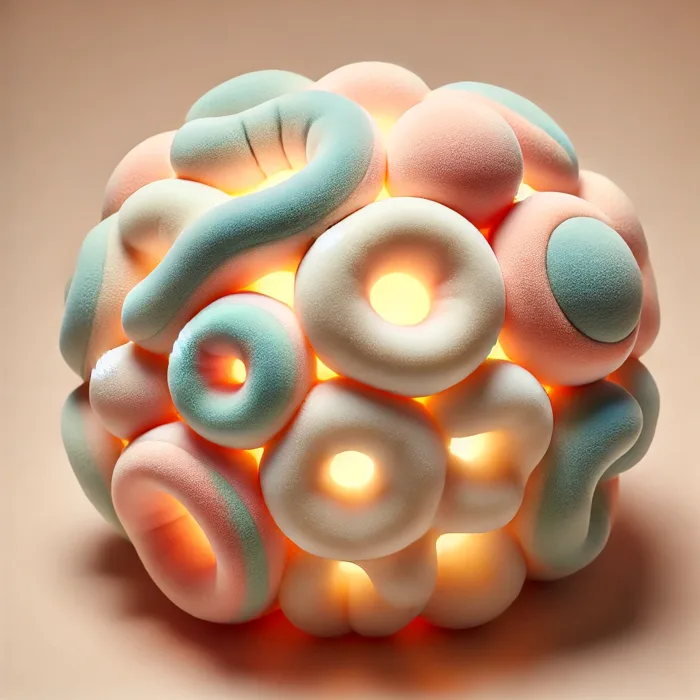
40 people drew a toy. Before drawing, each group saw a different series of AI images: ordinary (teddy bears, kites) or unusual (glowing foam, floating spheres).
The answer
Unusual images led to more original drawings. Ordinary images were copied, and half of the people who copied did not realise it: they credited a memory or a film instead.
Contents
Do AI examples make us more original, or do we copy them?
Generative AI now sits at the start of many creative tasks, yet research has long shown that examples shown before a task get copied without people noticing (Smith, Ward & Schumacher, 1993). I adapted that protocol to AI: 40 people who draw were randomly assigned to four groups crossing the type of prompt (concrete "comfort" or abstract "freedom") with the type of AI examples (original or unoriginal). They each drew a toy, and two judges scored every drawing from 1 to 7. Original AI examples led to significantly more original drawings (F(1, 36) = 4.25, p = .047). The prompt alone had no significant effect, but the abstract prompt with original examples produced by far the most original drawings (5.4 out of 7). Conformity told the mirror story: with a concrete prompt and ordinary examples, 9 participants out of 10 stayed close to the AI image, and most of them drew a teddy bear. The handwritten questionnaires show that this influence often goes unnoticed: half of the drawings judged close to the AI images came from people who credited their own memories instead. For the design of creative AI tools, the lesson is clear: what the tool shows first shapes what people imagine, without them knowing.
The setting
A research project (TER) in the first year of the master's in ergonomic psychology at Université Paris Cité, hosted by the LISN (Interdisciplinary Laboratory of Digital Sciences, CNRS and Université Paris-Saclay) and supervised by Julien Nelson and Nicolas Férey.
The question
AI tools increasingly propose images before we create. Do these suggestions open up imagination, or do they quietly set the frame we then draw inside?
What I did
Systematic literature review (PRISMA), experimental design, generation of the 60 AI example images, recruitment and sessions with 40 participants, judges' evaluation grid and guide, statistical analysis and defence.
The project step by step
A controlled 2x2 experiment with 40 participants.
What we see before creating quietly sets the frame.
In 1993, Smith, Ward and Schumacher asked people to invent creatures and toys after seeing a few examples. Even when told to be original, participants reproduced the features they had seen: tails, antennae, four legs. The examples worked as an invisible frame, a conformity effect that later research on design fixation confirmed many times.
What changes with AI
The examples no longer come from another person but from a generator, in large quantity, and tuned by a prompt. Liu & Chilton (2022) and Qiao et al. (2022) show how much the wording of a prompt and the images fed to a model shape what comes out of it. My study looks at the other side: what comes out of the person.
The gap
Most work measures the quality of AI outputs. Much less measures how those outputs, once shown, steer human ideas.
What creativity means here
Research defines a creative idea by two criteria: it is original, and it fits the task (Amabile, 1996; Bonnardel & Lubart, 2019). Creating alternates divergent thinking, which opens many paths, and convergent thinking, which picks one. That is why the judges scored originality but also design quality.
Distance as an antidote
Work by Nelson and Guegan (2019) suggests that stimuli far from the problem reduce fixation and push ideas elsewhere. My hypothesis follows that line: an unusual AI image should act as a distant stimulus, an ordinary one as a near one.
Can the AI images we are shown, and the way an instruction is worded, change how someone imagines and draws something new?
Original AI examples lead to more original drawings than unoriginal ones.
ConfirmedAn abstract prompt leads to more original drawings than a concrete one.
Trend, not significantThe two factors interact: their combination matters more than each alone.
Trend for originality, confirmed for conformityWhat changes, what is measured, what stays the same.
1. The instruction: concrete ("comfort") or abstract ("freedom").
2. The AI examples: original or unoriginal.
2 factors × 2 levels = 4 groups.
Originality of the drawing, from 1 to 7.
Conformity to the AI images, from 1 to 7.
Also scored: number of details and design quality.
The theme (a toy), the source of the images (the same AI generator), the number of images (15), the drawing kit, the A4 sheet, no time limit, a quiet room, the same neutral introduction, and the same two judges.
 GROUP 1 · n = 10
 GROUP 3 · n = 10
 GROUP 2 · n = 10
 GROUP 4 · n = 10
1. Change one thing only
If the ordinary examples had been real photos and the original ones AI images, two things would have changed at once: originality and the source. It would then be impossible to tell which one explained the results. Generating all four series with the same tool leaves originality as the only difference.
2. The original toys do not exist
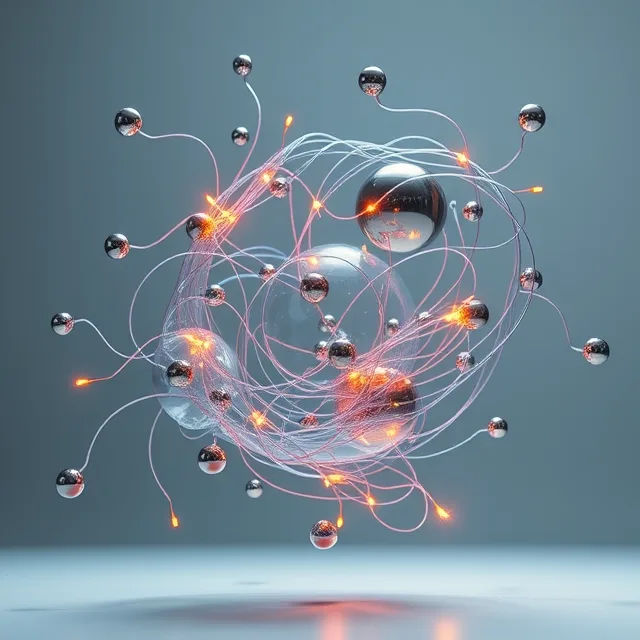
A glowing foam toy that releases scents, a levitating sculpture with luminous threads: there are no photos of these. They had to be generated, so the ordinary examples were generated too, in the same style, light and framing.
3. AI is the subject
The question is about the images that creative AI tools now propose before we create. Testing generated images, ordinary as well as surprising, is testing exactly what users meet in these tools.
40 people aged 18 to 42 (mean 23), all with a regular drawing practice, recruited in university halls in February and March 2025, mostly women. Random assignment, 10 per group. Each signed an informed consent form; data are anonymised.
For each group, a series of AI-generated images (15 prepared per condition, 60 in total), chosen to be either original or ordinary for the theme. Standardised drawing kit: A4 sheet, pencils, fine markers, electric eraser.
Neutral presentation without revealing the goal, viewing of the examples, drawing with no time limit in a quiet room, then a short post-task questionnaire in which each person described their toy and what inspired it.
Two independent judges, who signed their own consent form, scored every drawing from 1 to 7 on four criteria using a detailed scoring guide: originality, conformity to the AI examples, number of details and overall design quality, with a written remark for each drawing.
Two-way ANOVA (prompt × examples) on originality and conformity, normality (Shapiro-Wilk) and homogeneity of variance (Levene) checks, Bonferroni post-hoc tests, and an Aligned Rank Transform ANOVA as a robustness check since the scores are ordinal.
| Condition | Object | Prompt sent to the generator (excerpt) |
|---|---|---|
| Concrete + original | Glowing foam toy | A soft, malleable toy made of glowing foam, designed to react to pressure with soft illumination… |
| Abstract + original | Dynamic sculpture of freedom | A fluid, levitating toy that reacts to the user's movements unpredictably, with floating metallic elements and glowing threads… |
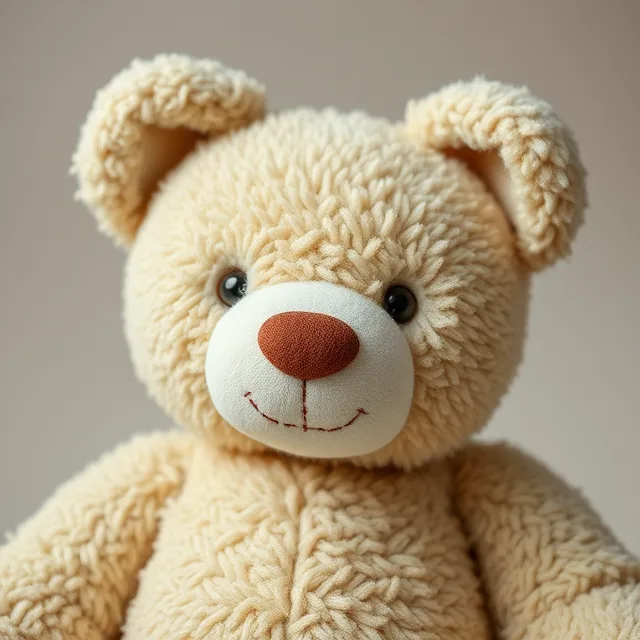
| Concrete + unoriginal | Teddy bear | A plush in the shape of a traditional teddy bear, soft and cuddly, with familiar textures… |
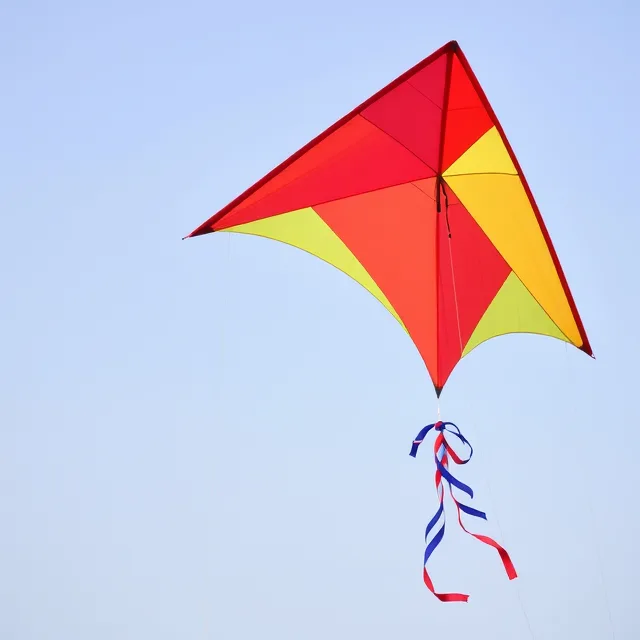
| Abstract + unoriginal | Kite | A traditional kite with triangular shapes and bright, primary colors, symbolizing freedom through its ability to fly… |
The prompts were written in English, as is usual with image generators.
Concrete instruction (groups 1 and 3)
"Draw a toy inspired by the idea of comfort. Imagine an object that evokes a feeling of comfort for you. This toy could have soft shapes, textures pleasant to the touch, or a function that encourages relaxation. For example, an object offering a sensory experience of comfort, like an interactive cushion or a toy that changes shape to fit the position of the body."
Abstract instruction (groups 2 and 4)
"Draw a toy inspired by the idea of freedom. Not a conventional object, but a toy that symbolises freedom for you. Imagine a fluid shape, an interaction without constraints, an object that allows limitless exploration. Perhaps a toy that reacts to the user's movement in unpredictable ways, or an object that lets you escape mentally, through a shape that invites spontaneous discovery."
| Criterion | What is assessed | High score (6-7) | Low score (1-2) |
|---|---|---|---|
| Originality | Novelty, usefulness, aesthetics, authenticity | Breaks with standards | Reproduces existing models |
| Conformity | Features taken from the AI images | Close to the examples | No recognisable feature |
| Details | Visual density, distinct parts, mechanisms | Many elements | Minimalist |
| Design quality | Function, coherence, clarity, feasibility | Clear and feasible | Confusing or unfeasible |
For conformity, the guide lists for each condition the shapes, materials, colours and recurring elements of the AI images (for the teddy bear: round shape, soft fabric, black eyes, rounded nose).
A few terms come back in the results. Here is what they mean, without formulas.
Likert scale
A score from 1 to 7 given by the judges. 1 means "not at all", 7 means "completely".
Mean and standard deviation
The mean is the average score of a group. The standard deviation says how spread out the scores are: the bigger it is, the more the group's drawings differ from each other.
ANOVA
A test that compares group means and tells whether the gaps are larger than chance would produce. Here, it looks at the instruction, the images, and the two together.
p-value
The probability of seeing such a gap if the factor had no effect at all. Below 0.05 (5%), the result is called significant: chance alone is an unlikely explanation.
Interaction
When the effect of one factor depends on the other. For example, an open instruction that only helps when the images are unusual.
Effect size
How big a difference is, not just whether it exists. Cohen's d: around 0.2 is small, 0.5 medium, 0.8 large.
When we have just seen an example, our brain tends to reuse it, even when we are asked to invent something new. This is called fixation. The study checks whether this still happens when the examples come from an AI.
Two things vary between groups: the wording of the instruction (concrete or abstract) and the type of AI images shown (unusual or ordinary). This gives four groups, and lets us see the effect of each factor, and of the two together.
Like a recipe test: you change one ingredient at a time and keep everything else identical. If the result changes, you know which ingredient caused it. Here the two "ingredients" are the instruction and the type of AI images; the "result" is how original the drawing is.
Unusual AI images raise originality; ordinary ones get copied.
For each group, one of the AI images shown and a selection of anonymised drawings, with the judges' scores for originality (ORIG.) and conformity to the examples (CONF.).
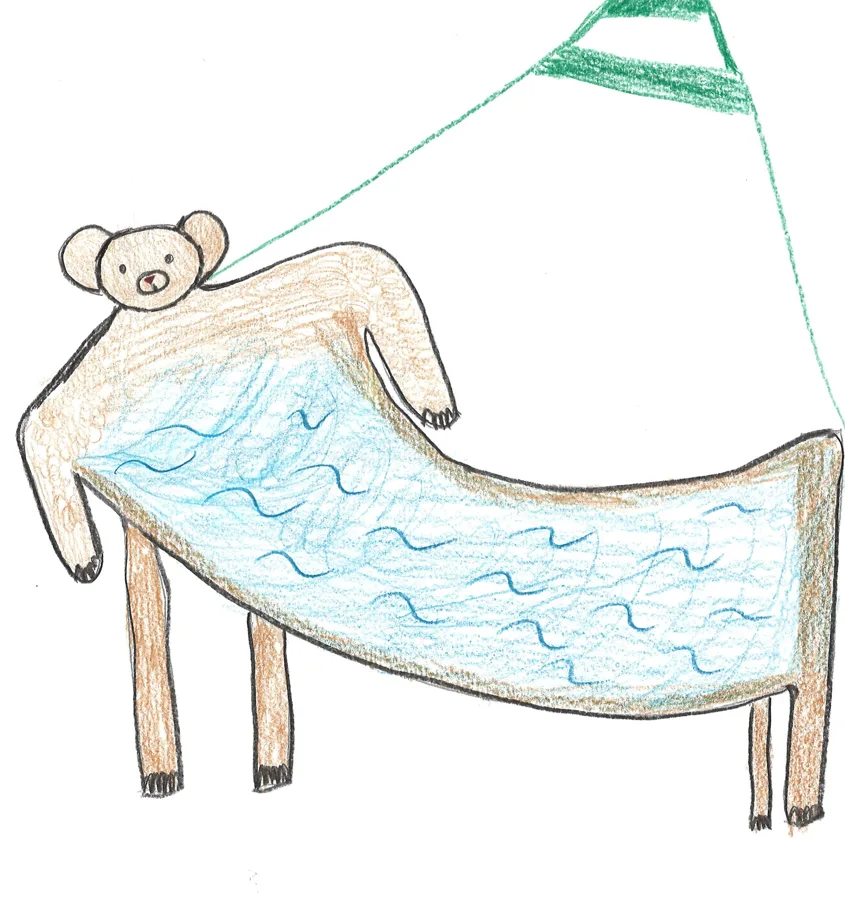
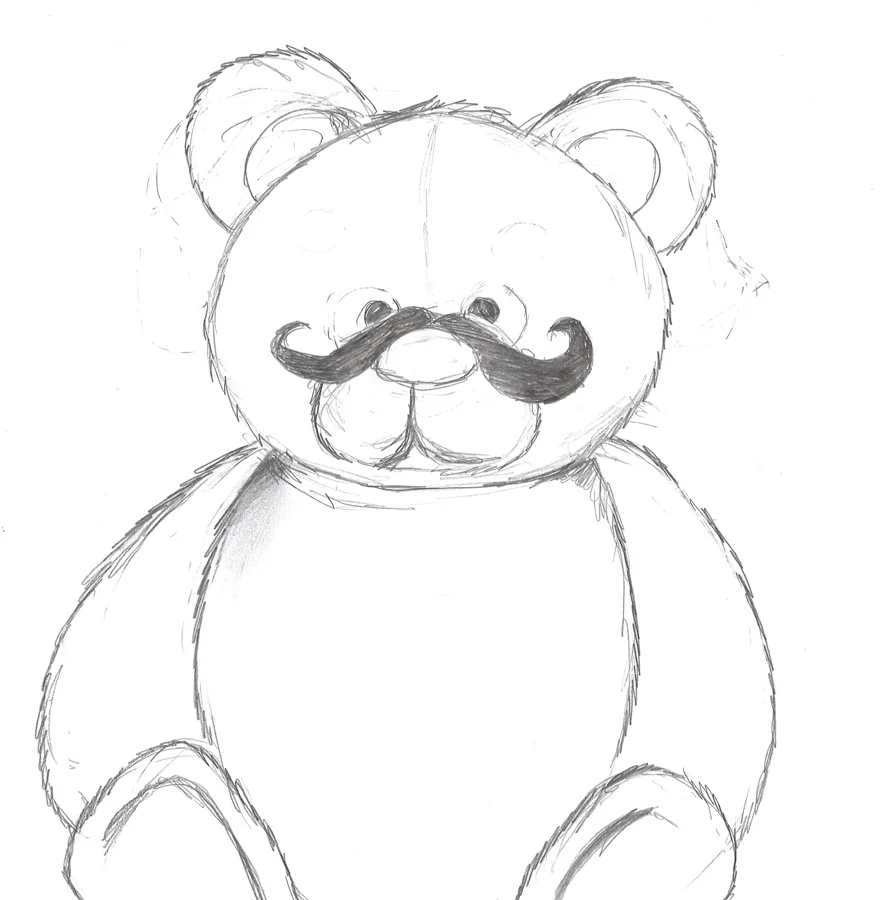
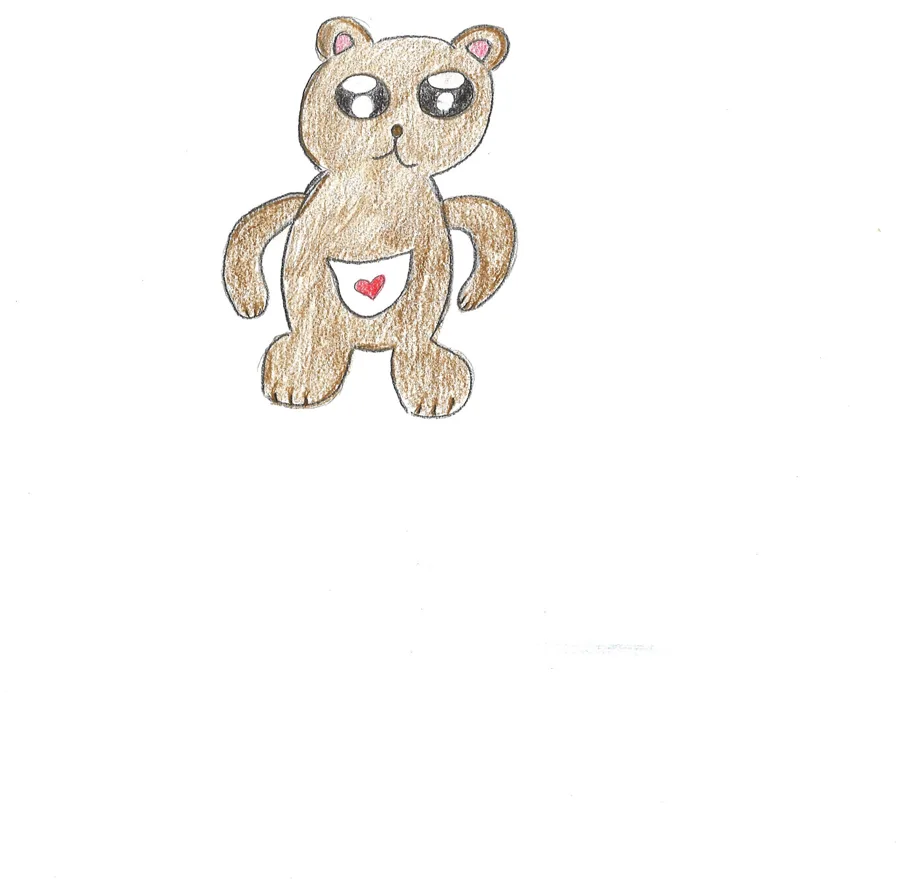
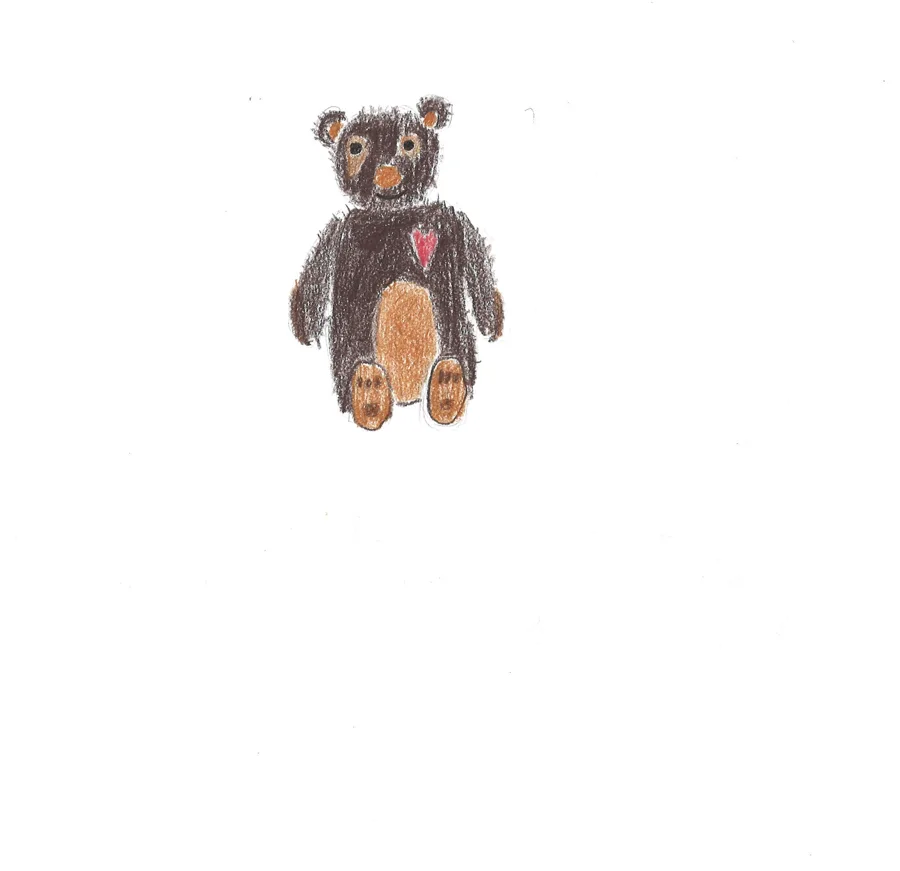
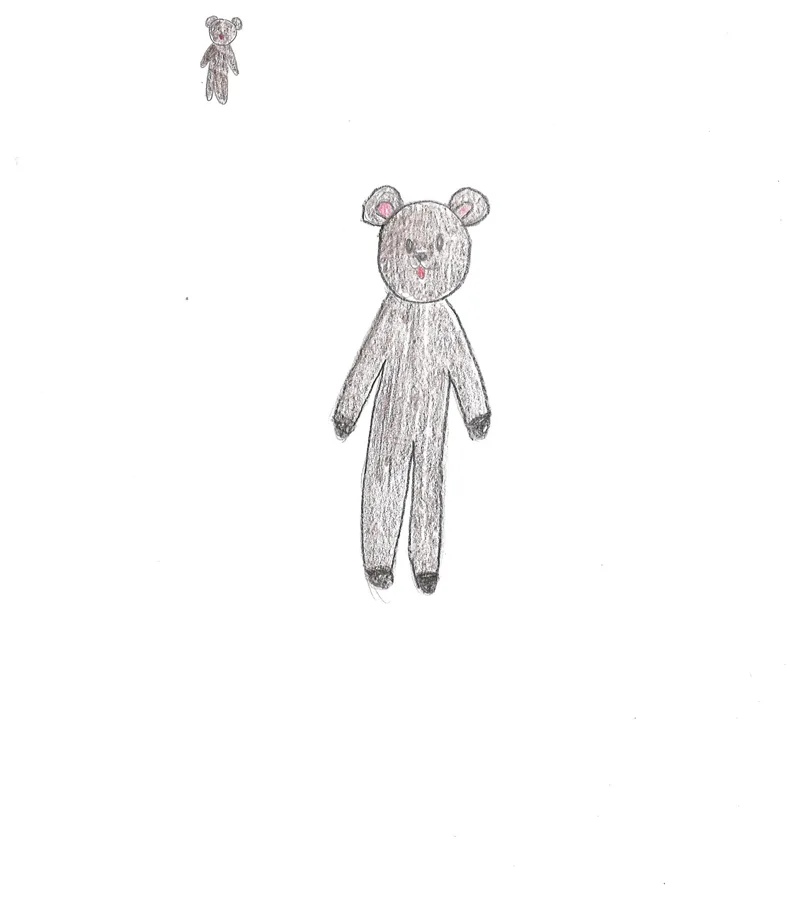
The AI showed teddy bears; the participants drew teddy bears. 9 out of 10 drawings were judged close to the examples, the highest conformity of the study (6.3 out of 7). The judges' remarks say it plainly: "no point of difference compared with the reference image", "only the moustache is original".
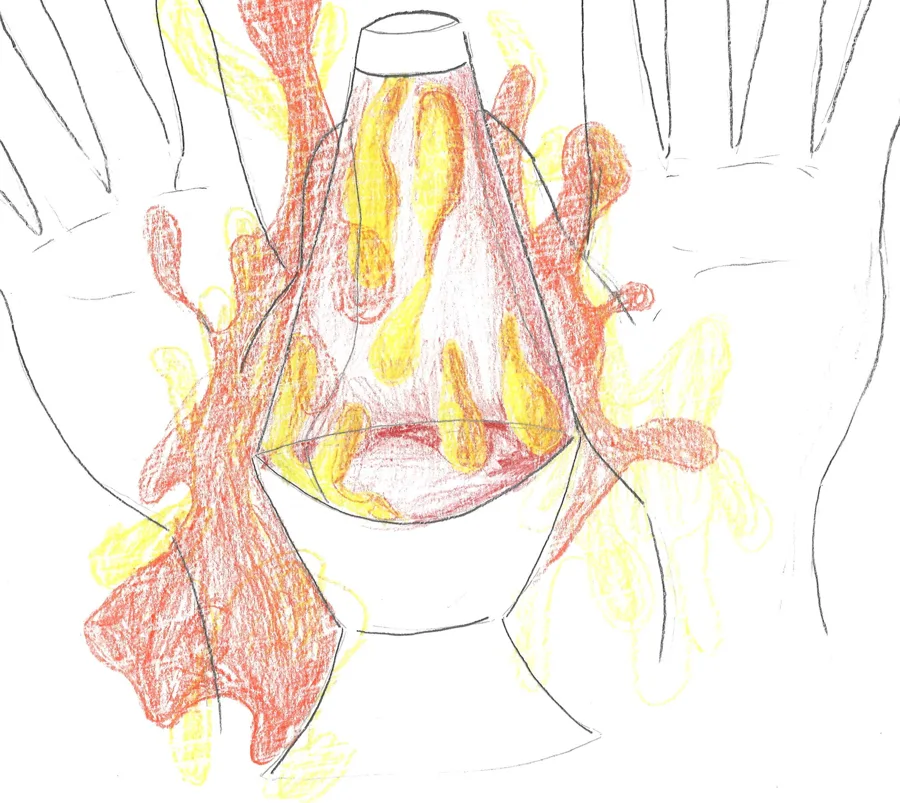
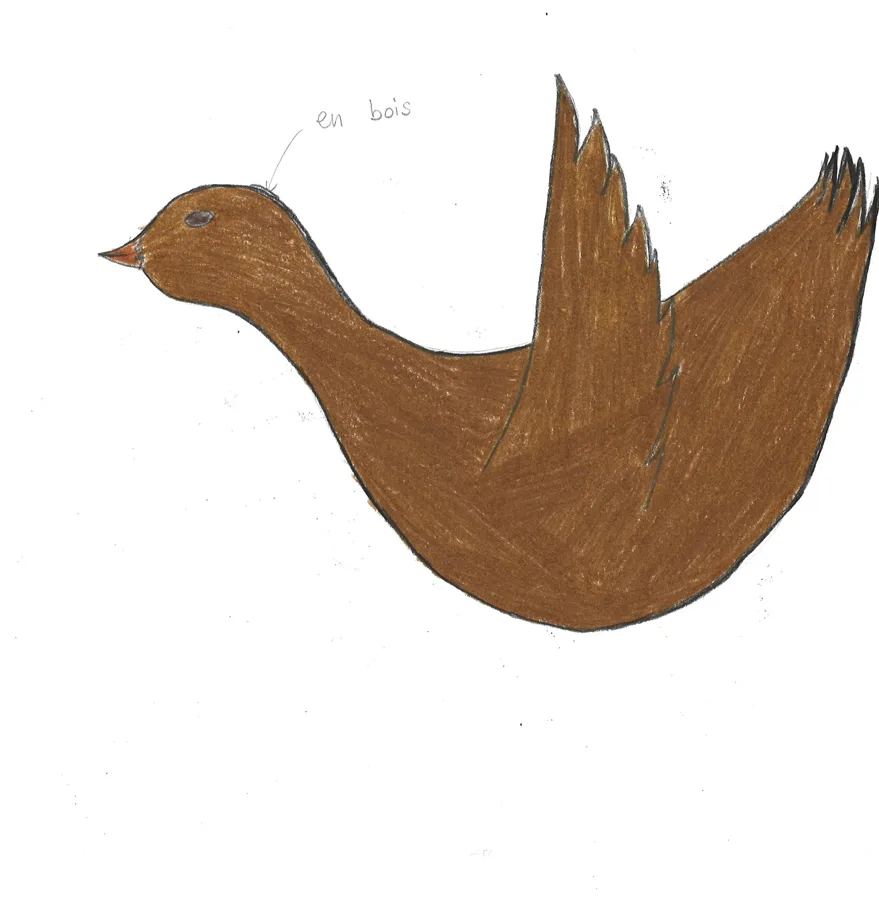
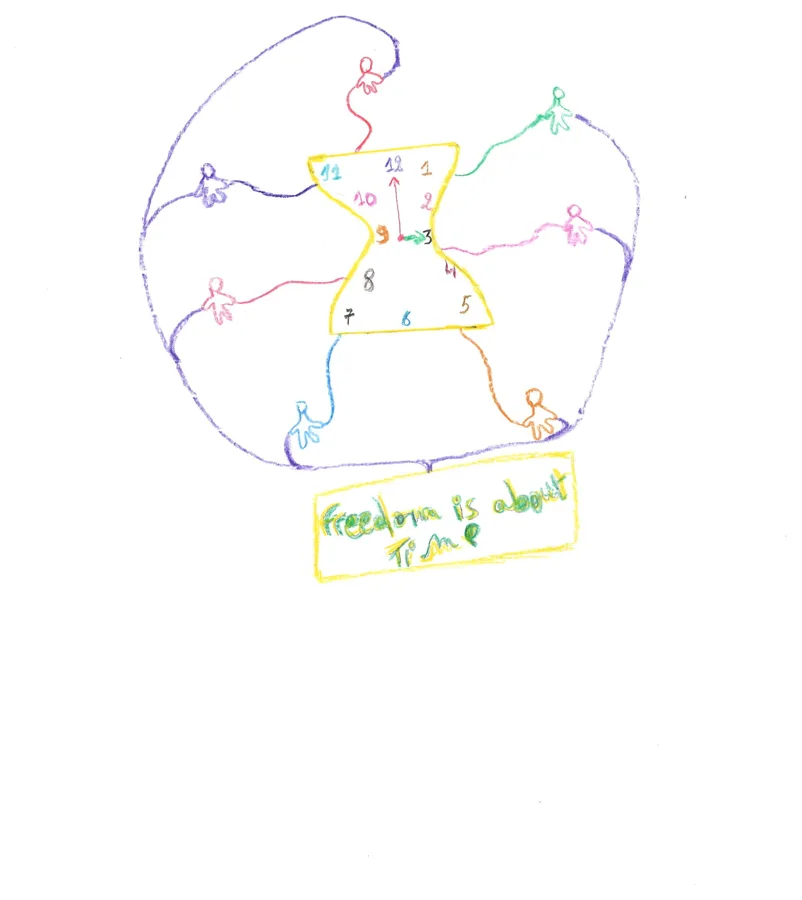
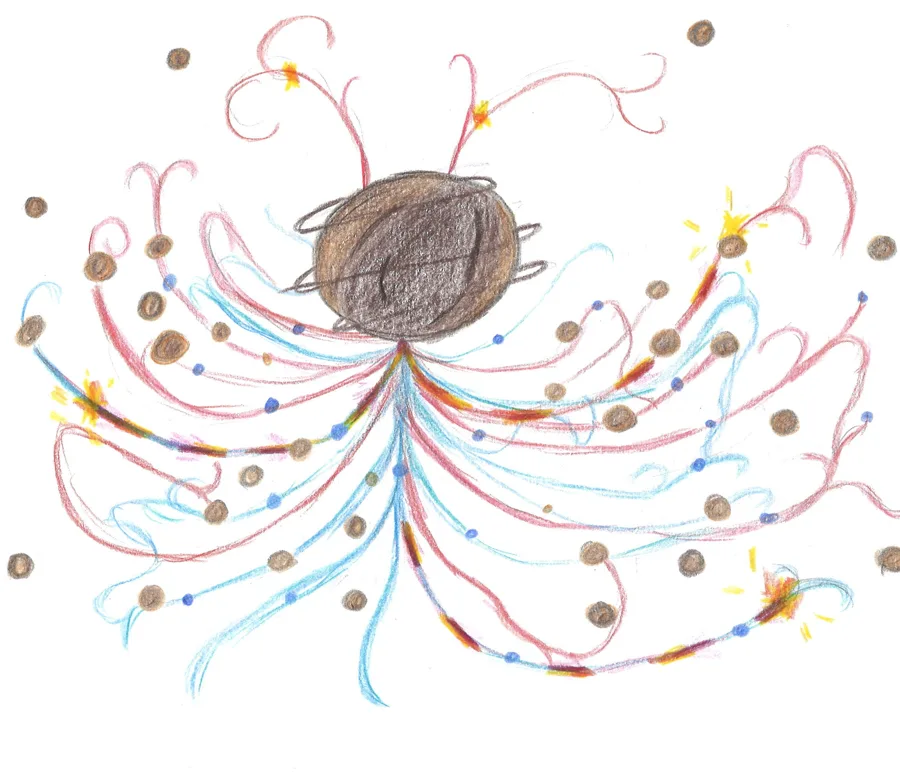
Half of this group (5 out of 10) scored 6 or more in originality, against 1 or 2 in each other group. Some reinterpreted the orbiting spheres, others left them far behind: "a sensory object rather than a conventional toy", noted a judge.
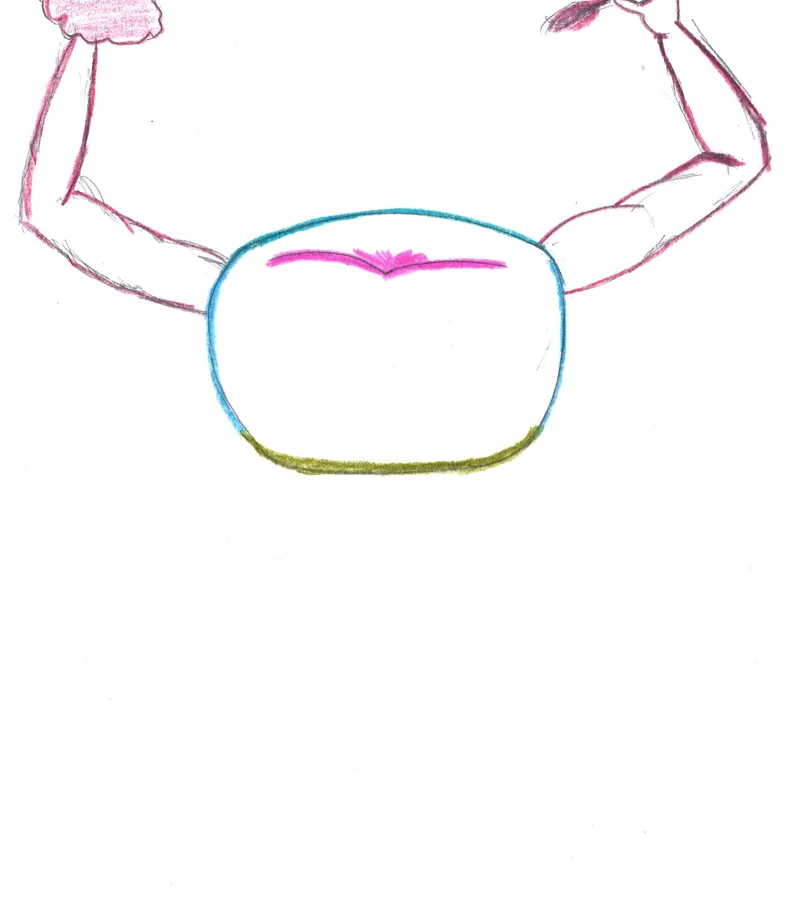
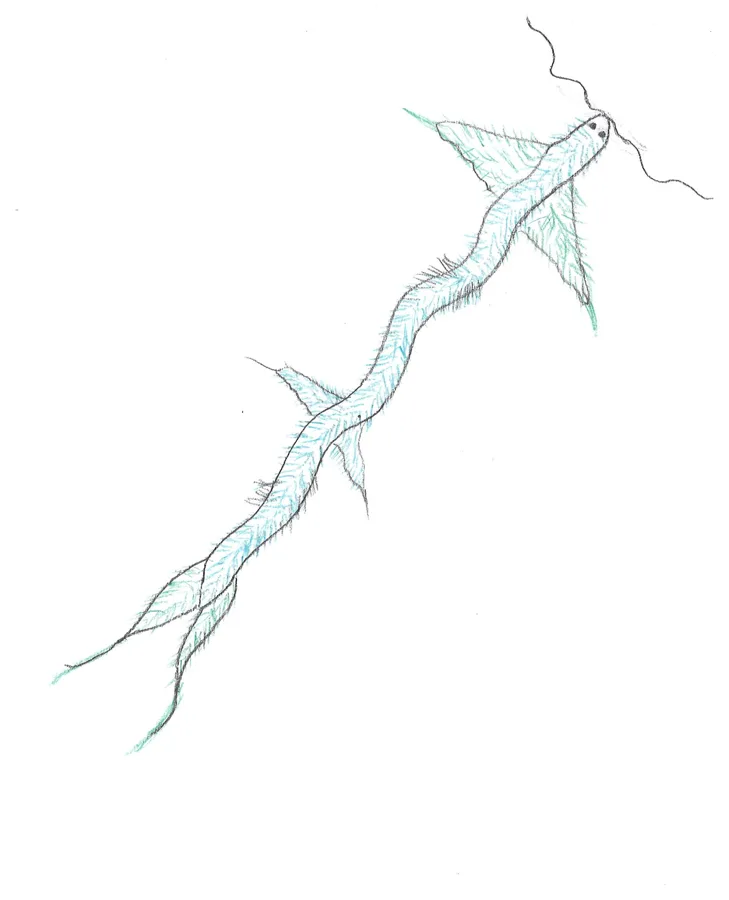
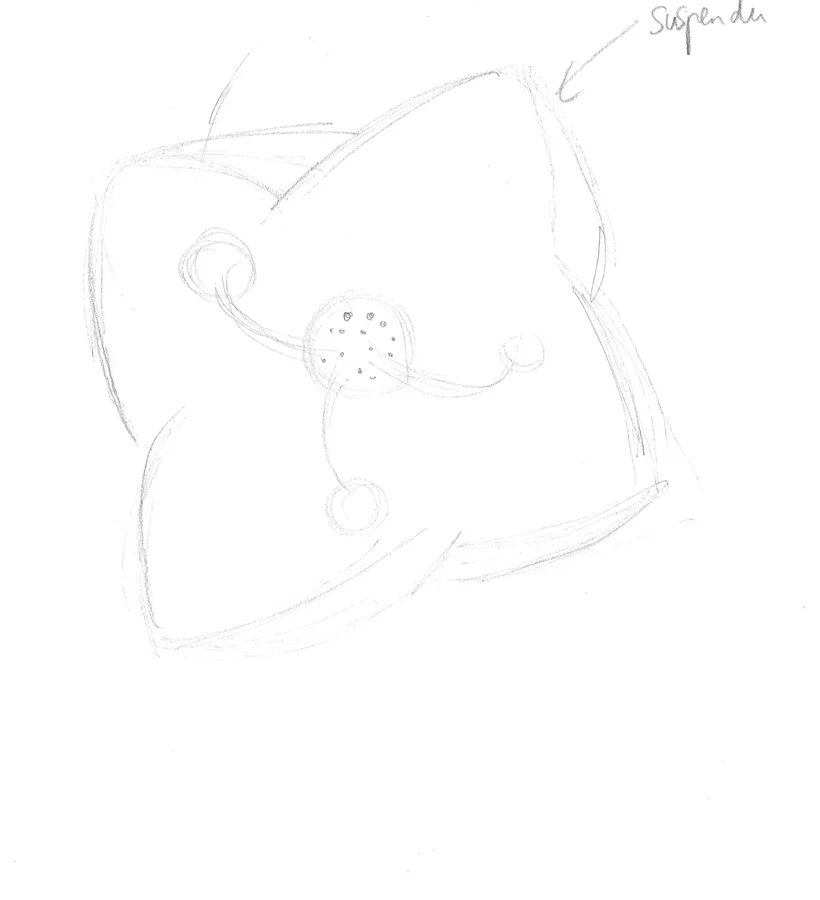
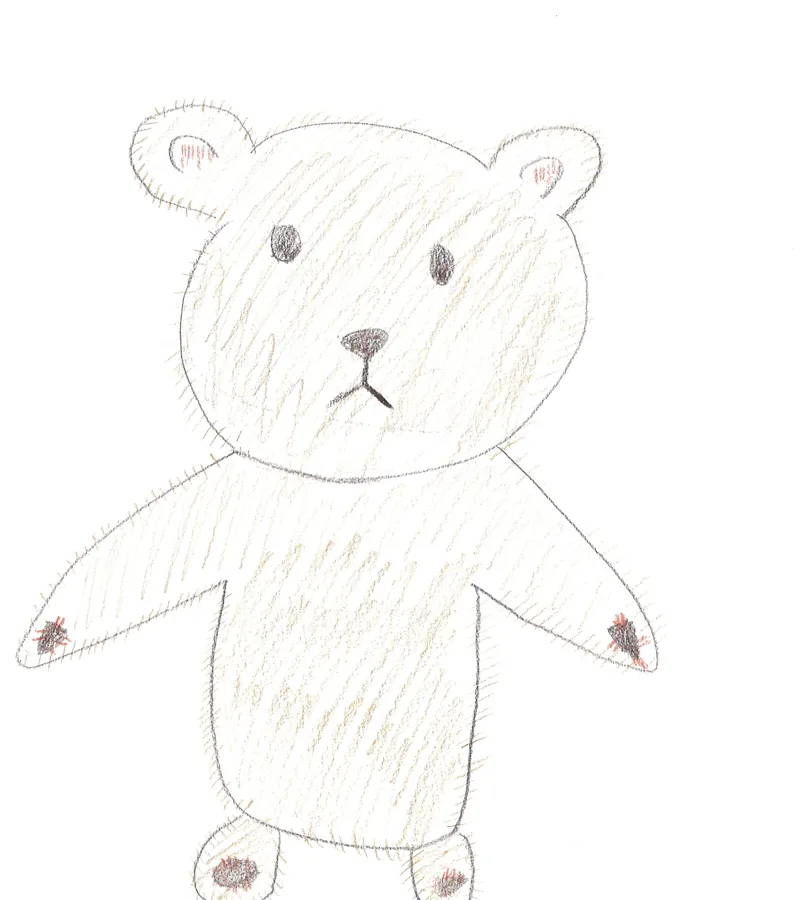
Original examples, but a very guided prompt about comfort. Several participants still came back to familiar objects such as a teddy bear or a snow globe, even though the AI showed glowing foam shapes.
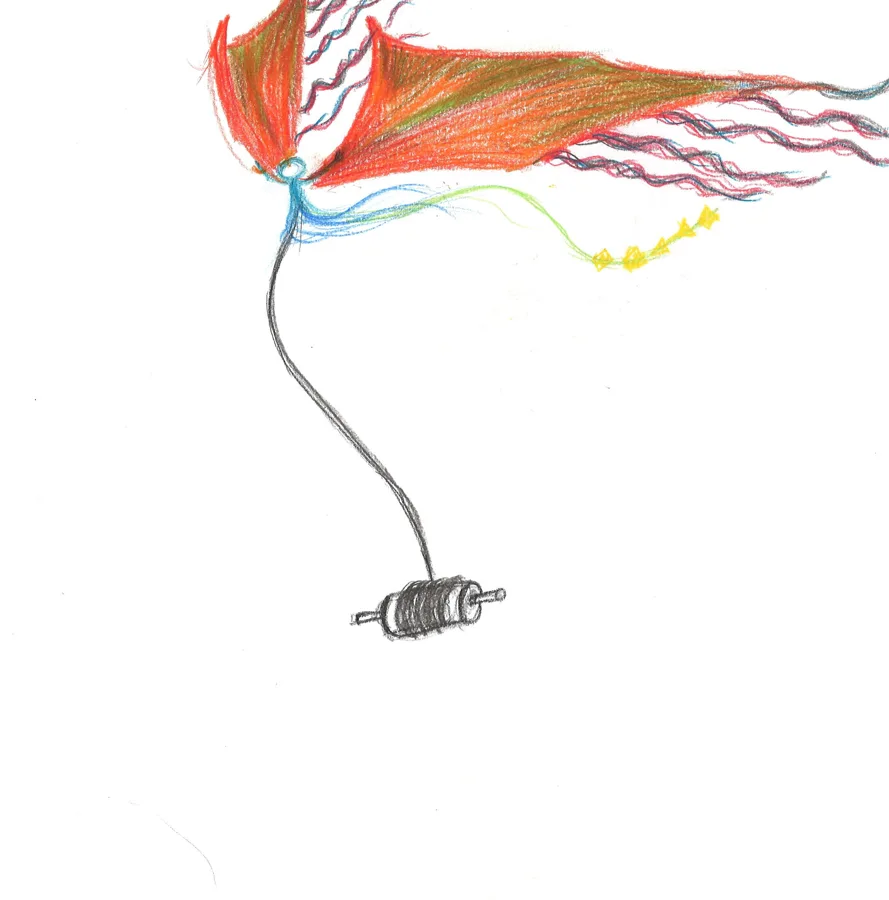
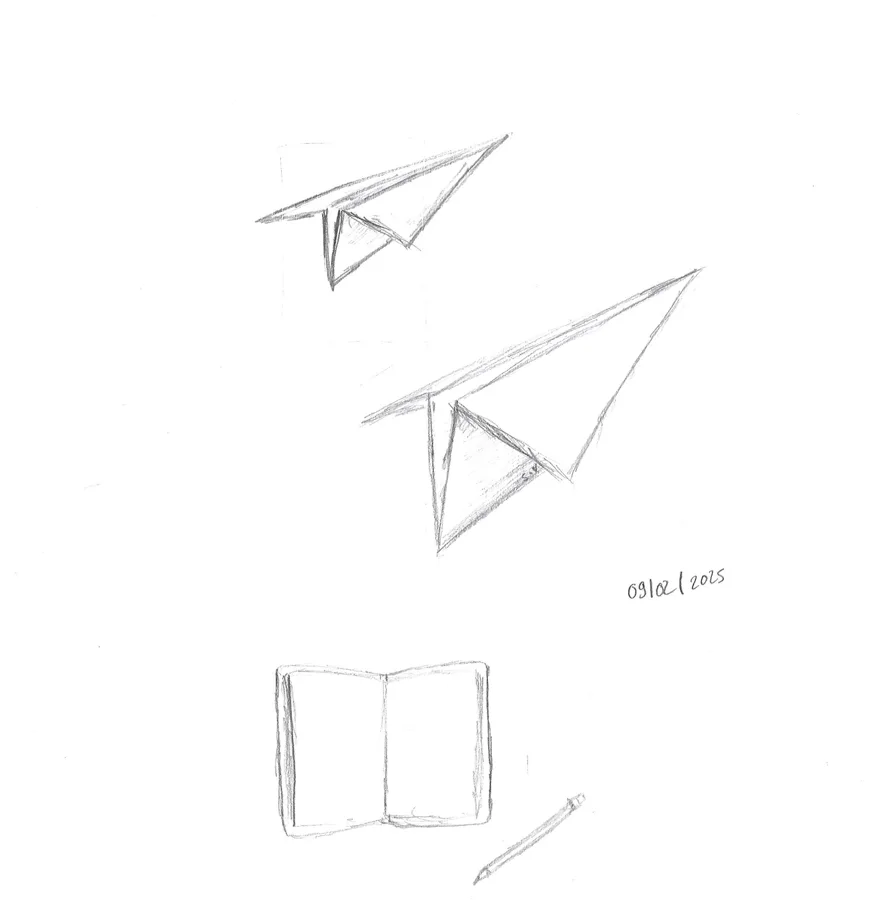
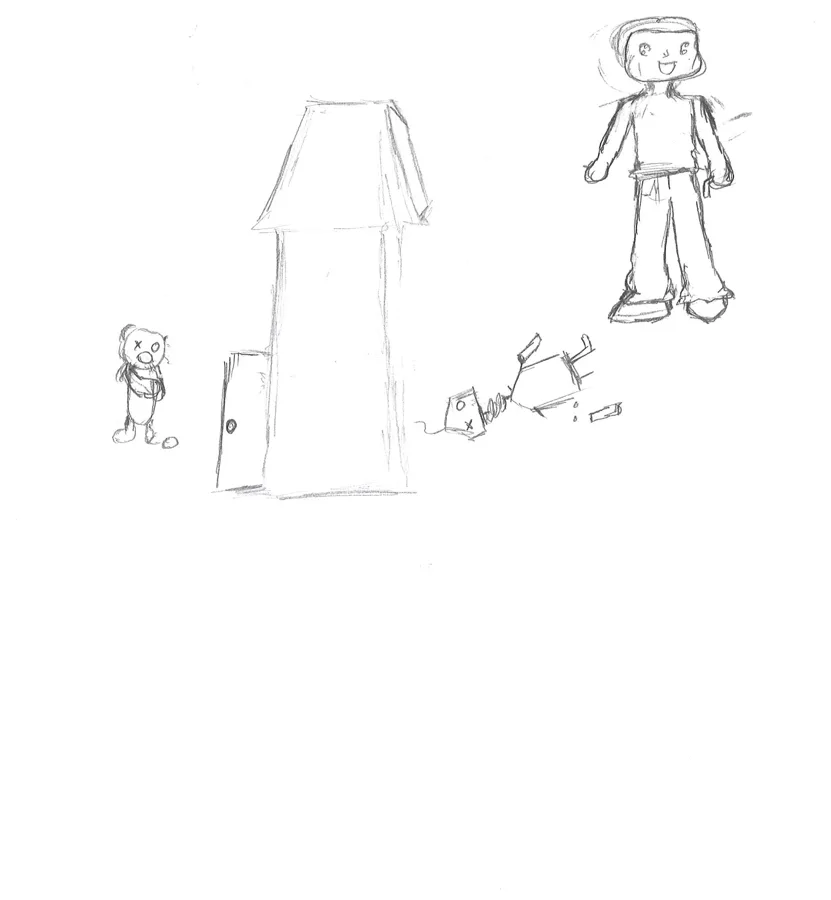
The AI showed kites. Kites and paper planes came back, but the open prompt left room for a few people to break away completely: the two most original drawings of this group are also the least conform (1 out of 7).
Original AI examples lead to more original drawings.
Originality by group (mean out of 7, line = standard deviation)
Interaction between prompt and examples
The type of examples is the only factor that reaches significance: 4.4 out of 7 with original examples against 3.2 with ordinary ones. The prompt alone does not (4.3 against 3.3, p = .094), and neither does the interaction (p = .094). But the chart shows where the difference comes from: the abstract prompt only pays off when the examples are original. With ordinary examples, both prompts end at the same score. The rank-based ANOVA, used as a robustness check, gives the same picture with a stronger effect of the examples (F = 6.09, p = .019).
| Group | Instruction | AI examples | Originality | Conformity | Details | Design |
|---|---|---|---|---|---|---|
| G1 | Concrete | Original | 3.4 ± 1.65 | 3.5 ± 1.96 | 6.5 ± 0.97 | 6.2 ± 0.42 |
| G2 | Abstract | Original | 5.4 ± 1.90 | 4.7 ± 2.00 | 6.2 ± 1.75 | 5.3 ± 1.83 |
| G3 | Concrete | Unoriginal | 3.2 ± 2.04 | 6.3 ± 1.25 | 6.7 ± 0.67 | 6.1 ± 0.32 |
| G4 | Abstract | Unoriginal | 3.2 ± 1.75 | 4.4 ± 2.22 | 5.5 ± 1.78 | 5.6 ± 0.70 |
| Effect | F(1, 36) | p | Partial η² | Robustness (ART) |
|---|---|---|---|---|
| AI examples | 4.25 | .047 | .11 | F = 6.09 · p = .019 |
| Instruction | 2.95 | .094 | .08 | F = 3.03 · p = .090 |
| Interaction | 2.95 | .094 | .08 | F = 3.12 · p = .086 |
Effect size of the AI examples: Cohen's d = 0.62, a medium-to-large effect.
| Pair | Difference | p | p (Bonferroni) | d |
|---|---|---|---|---|
| G2 vs G4 | +2.2 | .015 | .089 | 1.20 |
| G2 vs G1 | +2.0 | .022 | .129 | 1.13 |
| G2 vs G3 | +2.2 | .023 | .135 | 1.12 |
| G1, G3, G4 between them | ≤ 0.2 | > 0.79 | 1 | ≤ 0.12 |
Group 2 stands out from each other group with a large effect (d above 1), but these gaps no longer reach significance once corrected for the six comparisons. The other three groups are almost identical.
A guided prompt plus an ordinary image locks people into copying.
Conformity to the AI examples by group (mean out of 7)
Interaction between prompt and examples
Here the interaction is significant. With a concrete prompt, ordinary examples almost double conformity (3.5 to 6.3). With an abstract prompt, the type of examples barely changes it (4.7 and 4.4). An open instruction seems to protect against copying; a narrow one leaves the AI image to fill the gap. Interestingly, originality and conformity are only weakly related across the 40 drawings (r = -0.12): a drawing can borrow from the example and still be judged original, which is exactly what creative reappropriation looks like.
Drawings scored 6 or 7 in originality
Each square is one participant out of the 10 in the group.
Number of details and design quality (mean out of 7)
The most original group is also the one judges found hardest to read: its design quality score is the lowest and the most variable. Originality came with risk.
“A sensory object rather than a conventional toy.”
“Good representation of freedom, breaks away from the examples.”
“No point of difference compared with the reference image.”
| Originality | Conformity | Details | Design | |
|---|---|---|---|---|
| Originality | 1 | -0.12 | 0.04 | 0.35 |
| Conformity | -0.12 | 1 | -0.10 | 0.08 |
| Details | 0.04 | -0.10 | 1 | 0.36 |
| Design | 0.35 | 0.08 | 0.36 | 1 |
Originality does not depend on drawing skill: it is unrelated to the number of details (0.04). Design quality goes with both originality and details (0.35 and 0.36), which matches the definition of creativity as original and fit for purpose.
Half of those who copied did not realise it.
After drawing, everyone answered two open questions by hand: describe your drawing, and say what inspired you. I transcribed and coded the 40 answers by source cited: the AI images, the instruction, or personal references (a memory, a childhood toy, a film). One answer can cite several sources.
Sources cited (40 participants)
“This plush was inspired by the film Ted.”
“What inspired me is the soft toy my sister had, a bear I adored.”
“Since we had to draw inspiration from the images, I made it in a triangular version.”
“I think I was influenced by the image, it made me think of control at a distance.”
“The fluidity of the shapes in the images, and the lamp I already had in mind.”
“I did circus for a long time; juggling seemed to match "unpredictable" and "escaping mentally".”
Quotes translated from French and lightly edited for spelling.
Show teddy bears, get teddy bears.
I also coded what each drawing represents. Groups 1 and 3 received exactly the same instruction about comfort; only the images differed. With teddy bear images, 6 drawings out of 10 are bears. With glowing foam images, 2 out of 10, which shows that a bear is a natural answer to "comfort", but that the images tripled it. In group 4, half of the drawings are flying objects (kites, paper planes, a balloon), echoing the kites shown.
Teddy bears drawn, same instruction
Flying objects drawn
With 10 people per group the bear gap is not significant (Fisher's exact test, p = .17); it is shown as a description, consistent with the conformity scores.
Comparable groups
Age did not differ between the four groups (one-way ANOVA, F(3, 36) = 0.57, p = .64). Mean age 23, range 18 to 42.
Robust to the scale
Scores from 1 to 7 are ordinal. A rank-based ANOVA (Aligned Rank Transform) gives the same conclusions, with an even clearer effect of the AI examples.
Statistical power
With 10 people per group, the study had only about a 41% chance of detecting an instruction effect of the size observed. Reaching 80% would take about 24 people per group, 96 in total.
The 40 anonymised observations, as scored by the judges and coded from the questionnaires. Inspiration: I = AI images, C = instruction, P = personal references.
| # | Group | Instruction | Examples | Orig. | Conf. | Details | Design | Inspiration |
|---|---|---|---|---|---|---|---|---|
| 1 | G4 | abstract | unoriginal | 4 | 7 | 5 | 6 | I + P |
| 2 | G4 | abstract | unoriginal | 3 | 5 | 2 | 6 | P |
| 3 | G4 | abstract | unoriginal | 4 | 4 | 5 | 6 | C + P |
| 4 | G4 | abstract | unoriginal | 1 | 6 | 6 | 6 | I + P |
| 5 | G4 | abstract | unoriginal | 6 | 1 | 7 | 5 | P |
| 6 | G4 | abstract | unoriginal | 2 | 6 | 3 | 5 | I |
| 7 | G4 | abstract | unoriginal | 2 | 4 | 7 | 5 | C + P |
| 8 | G4 | abstract | unoriginal | 2 | 7 | 6 | 5 | I |
| 9 | G4 | abstract | unoriginal | 6 | 1 | 7 | 7 | P |
| 10 | G4 | abstract | unoriginal | 2 | 3 | 7 | 5 | I |
| 11 | G2 | abstract | original | 7 | 5 | 4 | 2 | I + P |
| 12 | G2 | abstract | original | 7 | 7 | 7 | 7 | C + P |
| 13 | G2 | abstract | original | 7 | 4 | 7 | 7 | I + P |
| 14 | G2 | abstract | original | 4 | 7 | 7 | 6 | P |
| 15 | G2 | abstract | original | 7 | 7 | 7 | 6 | I + P |
| 16 | G2 | abstract | original | 5 | 3 | 2 | 2 | I |
| 17 | G2 | abstract | original | 5 | 6 | 7 | 6 | P |
| 18 | G2 | abstract | original | 2 | 4 | 7 | 5 | P |
| 19 | G2 | abstract | original | 3 | 2 | 7 | 6 | P |
| 20 | G2 | abstract | original | 7 | 2 | 7 | 6 | P |
| 21 | G3 | concrete | unoriginal | 7 | 7 | 7 | 7 | I + C |
| 22 | G3 | concrete | unoriginal | 5 | 6 | 7 | 6 | I + P |
| 23 | G3 | concrete | unoriginal | 2 | 7 | 7 | 6 | I + C + P |
| 24 | G3 | concrete | unoriginal | 3 | 7 | 7 | 6 | P |
| 25 | G3 | concrete | unoriginal | 1 | 6 | 7 | 6 | C + P |
| 26 | G3 | concrete | unoriginal | 3 | 6 | 5 | 6 | P |
| 27 | G3 | concrete | unoriginal | 5 | 3 | 7 | 6 | P |
| 28 | G3 | concrete | unoriginal | 1 | 7 | 7 | 6 | P |
| 29 | G3 | concrete | unoriginal | 1 | 7 | 7 | 6 | C + P |
| 30 | G3 | concrete | unoriginal | 4 | 7 | 6 | 6 | P |
| 31 | G1 | concrete | original | 4 | 7 | 6 | 6 | I + P |
| 32 | G1 | concrete | original | 2 | 3 | 7 | 6 | P |
| 33 | G1 | concrete | original | 7 | 5 | 7 | 7 | P |
| 34 | G1 | concrete | original | 3 | 1 | 7 | 6 | P |
| 35 | G1 | concrete | original | 2 | 2 | 6 | 6 | P |
| 36 | G1 | concrete | original | 2 | 4 | 7 | 6 | I + C + P |
| 37 | G1 | concrete | original | 3 | 2 | 7 | 6 | P |
| 38 | G1 | concrete | original | 2 | 6 | 7 | 6 | I + C |
| 39 | G1 | concrete | original | 4 | 3 | 4 | 6 | I |
| 40 | G1 | concrete | original | 5 | 2 | 7 | 7 | P |
Seeing unusual AI images made drawings more original, and this is unlikely to be chance. The open instruction seems to help too, but only with unusual images, and the study was too small to prove it.
With a precise instruction and ordinary images, almost everyone stayed close to what the AI had shown. An open instruction left more room to move away from it.
Most people say they drew from their own memories. But the judges saw the AI images in their drawings much more often than people mentioned them. The AI influenced people without them noticing: they believed the idea was theirs.
The groups were similar, and the main result holds with a second method. But the study was too small to conclude on the instruction: "not significant" here means "not proven", not "no effect".
Four creative profiles and the journey of a drawing.
Not invented personas: four behaviours, counted in the data.
Each drawing has two scores from the judges: how original it is, and how close it stays to the AI images. Crossing them at the middle of the scale (5 and above counts as high) splits the 40 participants into four profiles. Each profile is then described with the groups it comes from, its scores and what its members wrote about their inspiration.
One dot per participant, coloured by group:
G1 · concrete + originalG2 · abstract + originalG3 · concrete + unoriginalG4 · abstract + unoriginalThe top-left corner is crowded with cyan dots: the teddy bear group. The top-right corner, where people borrow and still invent, is mostly yellow: the abstract instruction with original images.
Reproduces the shape, material or motif of the AI images without moving away from them. The most frequent profile, concentrated in the teddy bear and kite groups. Fewer than half of them (7 out of 15) say the images inspired them.
“The instruction with the word comfort […] and I have a plush like that at home.”Group 3 · conformity 7/7
Starts from the AI images but diverts them: keeps a recognisable feature and takes it somewhere else. The profile of creative reappropriation, mostly in group 2 (abstract instruction, original examples), with the most detailed drawings of the study.
“Rather the instruction, which talks a lot about freedom.”Group 2 · originality 7/7
Almost ignores the images and starts from another source: a cultural reference (3 out of 7), a sensation, an idea. None of them cites the instruction. Found in all four groups, but most often with the abstract instruction.
Example: a participant from group 1 drew a dragon from the film Spirited Away, far from the glowing foam shown.
Does not copy the example but falls back on a familiar toy, often from childhood (5 out of 11). Mostly group 1: original images were not enough against an instruction focused on comfort.
“My childhood toys.”Group 1 · originality 2/7
Profiles built from the 40 observations; the threshold (5 out of 7) is a reading convention, not a statistical cluster. Quotes come from the handwritten questionnaires.
Where the AI's influence comes in, and where it vanishes.
The five moments every participant went through, with what the data show at each step. Built from the judges' scores and the 40 questionnaires. No emotion was measured during the sessions, so this map shows no emotional curve.
Only one profile in four really uses the AI images as a springboard (the transformer). The most common reaction is to copy, and fewer than half of the copiers know it. That is the profile a creative AI tool should be designed for first.
The AI acts at step 2, the drawing shows it at step 3, and at step 5 the person tells another story. That gap between what happens and what people say is exactly why observation and measurement matter alongside interviews.
What it means for designing creative AI tools.
The results confirm Smith and colleagues' conformity effect in an AI setting: ordinary AI examples were reproduced, sometimes down to the details, even under an open prompt. Generated images do not escape the mechanism that makes us copy what we have just seen; their abundance and polish may even strengthen it.
But unlike the 1993 study, some participants went beyond the constraint: they twisted, mixed and diverted the examples with their own references. This creative reappropriation appeared mostly when the prompt was open and the AI image was unexpected. Creativity did not depend on one lever, but on the pair formed by the instruction and the image: a disturbing image breaks automatic responses, an open instruction gives room to transform it.
The questionnaires add a third lesson, perhaps the most important for design. Fixation is invisible to the person it affects: among the drawings judged closest to the AI images, only half of their authors mentioned the images. The others sincerely credited a film, a childhood toy, a sister's soft toy. The AI did not impose an idea; it slipped into memories, and people experienced the result as their own.
The examples matter most
Original AI examples raise originality from 3.2 to 4.4 out of 7 (p = .047). The type of images shown weighs more than the wording of the instruction.
Ordinary images get copied
Concrete prompt plus ordinary examples: conformity 6.3 out of 7, 9 drawings out of 10 close to the AI image, mostly teddy bears.
Openness needs surprise
The abstract prompt only stands out when paired with original examples (5.4 out of 7, half the group at 6 or more).
The influence goes unnoticed
Only 11 of the 22 drawings judged close to the AI images come with a mention of the images. Most people credit their own memories.
Ordinary, look-alike suggestions narrow ideas. A tool that proposes diverse and unexpected references leaves more room to invent.
Since what is seen first sets the frame, let people sketch their own idea before showing generated images, or make the images optional.
Open, metaphorical prompts protected against copying. Interfaces can help users phrase intentions rather than literal descriptions.
The most creative participants transformed and combined the examples. Tools should make it easy to take a suggestion apart, not just accept it.
Since people do not perceive what they borrow, a tool could show how close a creation is to the suggestions it was given.
What to change in the tools, and what to test next.
Where a product team should start.
The five design implications, placed by impact and effort. Impact reflects the strength of the evidence in the study; effort is my estimate for a team building a creative AI tool.
| # | Evidence in the study | Impact | Effort (estimate) | How might we… |
|---|---|---|---|---|
| 1 | Effect of the AI examples, p = .047, d = 0.62 | High | Low | …make every suggestion series diverse enough to open paths instead of closing them? |
| 2 | Motif reproduced: 6 bears out of 10 vs 2 | High | Low | …let people capture their own idea before the tool shows its own? |
| 3 | Interaction on conformity, p = .014 | Medium | Medium | …help users describe an intention rather than an object? |
| 4 | 7 transformers, the most detailed drawings | Medium | High | …make taking a suggestion apart as easy as accepting it? |
| 5 | 11 of 22 conform drawings unattributed | High | High | …show creators how much of their work echoes what they were shown? |
Items 1 and 2 rely on the significant results and are cheap to try: they make a natural first A/B test.
Small groups (10 per condition): the prompt and interaction effects on originality may exist but stay below significance at this sample size.
The judges knew which condition each drawing came from, which may have influenced their scores. A blind evaluation would be the next step.
Whether an AI image counts as original or ordinary was my own classification; it should be validated by independent raters beforehand.
A mostly female, student sample with a drawing practice, and a single theme (toys): results may differ with professional designers or other tasks.
Inspiration was coded from short written answers: people may under-report sources they used without realising, which is precisely what the results suggest.
The two judges gave one score per drawing; a measure of agreement between independent judges would strengthen the scores.
What I would change to turn these trends into firm conclusions.
The size needed to detect the instruction effect with 80% power.
Three judges unaware of the conditions, with an agreement measure between them.
To know what people draw with no AI image at all, and measure the influence in absolute terms.
Have a separate panel rate the originality of the examples before the study.
Check whether expertise protects against fixation, or not.
The methods behind this study, and its sources.
Amabile, T. M. (1996). Creativity in context: Update to the social psychology of creativity. Westview Press.
Bonnardel, N. & Lubart, T. (2019). La créativité : approches et méthodes en psychologie et ergonomie.
Nelson, J. & Guegan, J. (2019). "I'd like to be under the sea": Contextual cues in virtual environments influence the orientation of idea generation. Computers in Human Behavior, 90, 93-102.
Liu, V. & Chilton, L. B. (2022). Design guidelines for prompt engineering text-to-image generative models. CHI 2022.
Moher, D., Liberati, A., Tetzlaff, J. & Altman, D. G. (2009). Preferred reporting items for systematic reviews and meta-analyses: the PRISMA statement. PLoS Medicine, 6(7).
Qiao, H., Liu, V. & Chilton, L. (2022). Initial images: using image prompts to improve subject representation in multimodal AI generated art. Creativity and Cognition 2022.
Smith, S. M., Ward, T. B. & Schumacher, J. S. (1993). Constraining effects of examples in a creative generation task. Memory & Cognition, 21(6), 837-845.
Wobbrock, J. O., Findlater, L., Gergle, D. & Higgins, J. J. (2011). The aligned rank transform for nonparametric factorial analyses using only ANOVA procedures. CHI 2011.